
Blog Post
The Best Time to Plant in New England: A Western Massachusetts and Northern Connecticut Guide
August 31, 2026
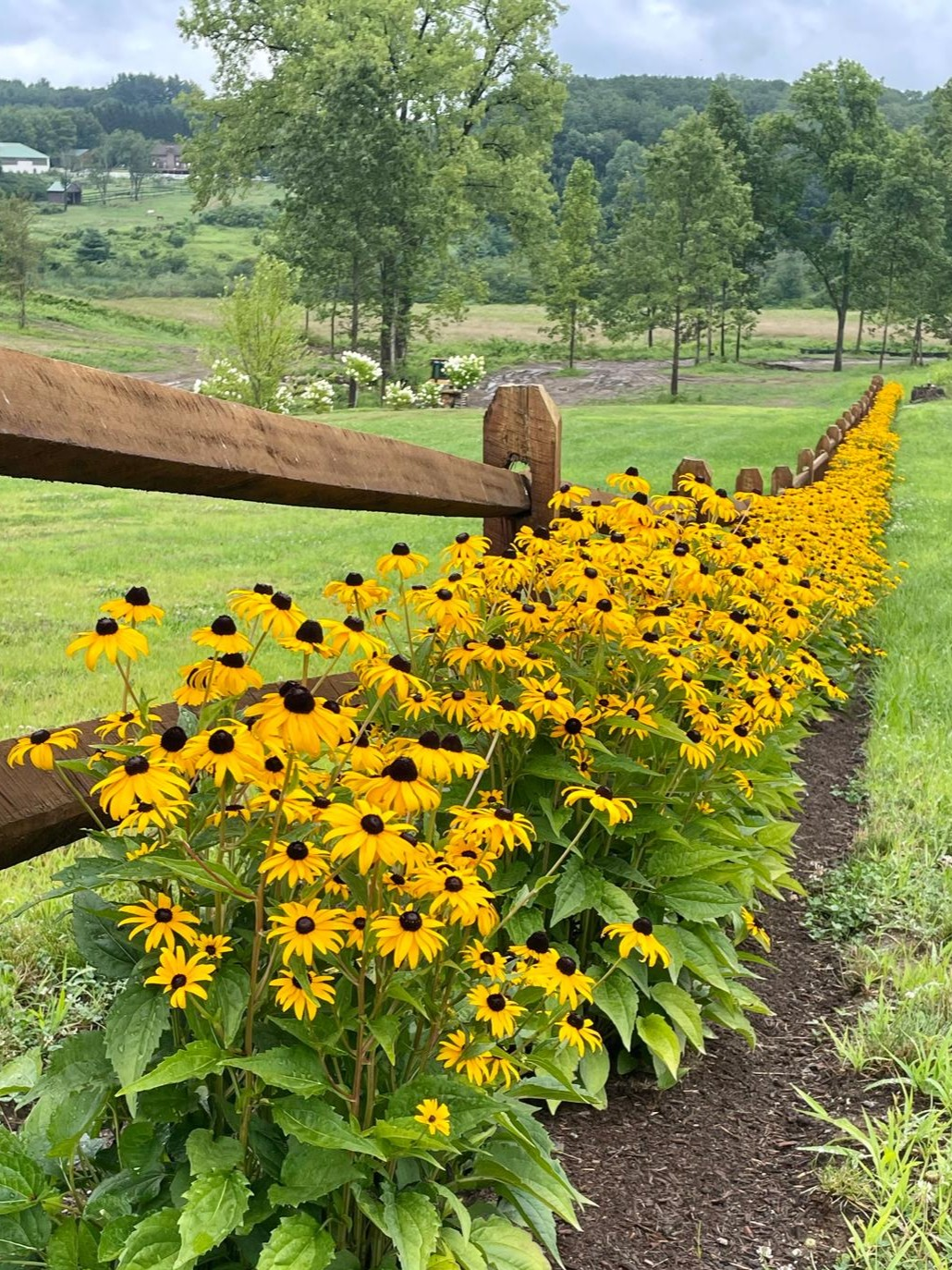
For trees and shrubs in western Massachusetts and northern Connecticut, early fall is usually the strongest window, roughly late August through the third week of October. Spring planting works too. Which one suits your property depends on what you’re putting in the ground and how the nursery grew it.
Key Takeaways
- Early fall, from late August through October, is the strongest planting window for trees and shrubs in our area.
- Lawn seed goes down best between late August and mid-September, when soil is still warm and summer weeds have stopped competing.
- Bare root, container-grown, and balled-and-burlapped stock each have different planting windows, which is why sources seem to contradict each other.
- Woody plants need about six weeks of workable soil before the ground freezes, putting the practical cutoff in early to mid-October.
New England Isn’t One Planting Climate
Massachusetts spans USDA hardiness zones 5a through 7b. The Berkshires sit at the cold end, and Cape Cod is at the warm end. In between, the Connecticut River Valley cuts a warmer path north through the middle of the state, which is why Springfield and Northampton land around zone 6a to 6b while towns a few miles west at higher elevation may be colder. Northern Connecticut behaves much the same way.
Here’s what that looks like in numbers for our service area:
| Area | Hardiness zone | Last spring frost | First fall frost | Growing season |
| Southwick, MA (Westfield 3 SW station, 429 ft) | 6a–6b | May 3 | Oct 21 | 180 days |
| Hartford area, northern CT | 6a–6b | Late April | Mid to late Oct | Longer than Southwick |
| Higher ground west of the valley | 5a–5b | Later than the valley | Earlier than the valley | Shorter |
Southwick’s dates come from NOAA 1991–2020 climate normals at a 30% probability threshold. That last part matters more than people assume. A 30% threshold means roughly three years in ten will see frost fall outside those dates. So May 3 isn’t a green light for tender material; it’s the point where the odds tip in your favor. For anything frost-sensitive, waiting until around mid-May delays you by two weeks but buys you a good deal of insurance.
A few miles matter here too. A property on the valley floor in Longmeadow, Suffield, or East Windsor warms sooner in spring and holds frost off longer in fall than one on a north-facing slope west of Southwick. Elevation, aspect, and even a low spot at the back of a yard can shift those dates by a week either way.
A Planting Calendar for Our Corner of New England
Working backward from a May 3 last frost and an October 11 first frost, here’s how the year breaks down:
| Window | What goes in | Why |
| Late March–April | Bare root trees and shrubs, dormant pruning, soil prep | Plants are still dormant and the ground is workable |
| Early May | Frost-tender annuals, though mid-May is safer | Last frost averages May 3 at 30% probability |
| May–June | Container stock, perennials | Works, but commits you to watering through summer |
| July–early August | Little, if the schedule allows | Heat and dry stretches stress new root systems |
| Mid-Aug–mid-Sept | Lawn seed and sod | Warm soil, cool air, weed pressure has dropped |
| Late Aug–early Oct | Trees, shrubs, perennials | The strongest window of the year for woody plants |
| Through Oct 21 | Container-grown shrubs specifically | Roots need time to spread before soil cools |
| October | Spring bulbs | They need cold soil before they’ll bloom |
| Late Oct–Nov | Bare root, after leaf drop | Full dormancy again |
| Mid-Nov–mid-Dec | Nothing | Ground starts to freeze |
The Planting Window Varies Based on What You’re Planting
Trees and Shrubs
Early fall is the strongest window because air temperatures drop in September, but soil holds its summer warmth for weeks afterward. Roots keep growing in warm soil right up until the ground freezes. Meanwhile, the plant has stopped pushing leaves and flowers, so everything it has goes into root development instead of top growth. Rainfall picks back up at the same time, which cuts the watering burden.
Spring planting works, too. But it requires the plant to establish a root system in less time and then survive July and August. That means somebody has to stay on top of watering for a full summer, and in practice that’s where most spring plantings are lost.
Lawns
Late August through mid-September is the window for cool-season grass here. Soil is warm enough for fast germination, the air has cooled off, and crabgrass and other summer weeds have stopped fighting new seed for space. Seed down in that window roots before winter and fills in the following spring.
Spring seeding is possible, but the new grass has to get through its first summer on a shallow root system.
Perennials, Bulbs, and Annuals
Perennials are best planted in spring or early fall. Fall-planted ones often look unimpressive heading into winter and then come back noticeably stronger the next season.
Early fall is also the better time to divide established clumps of daylilies, hostas, and irises, while the soil is still warm and top growth has slowed.
Spring bulbs should be planted in October, after the soil cools but before the ground hardens. Frost-tender annuals wait until mid-May.
How the Plant Was Grown Matters Just as Much
Bare root stock arrives with no soil around the roots and has to go in while the plant is fully dormant: late fall after leaf drop, or very early spring before buds break. If it’s planted outside those windows, it tends to fail outright.
Container-grown stock is the most forgiving, since the root system stays intact during planting. It’s what you’ll find at most garden centers, and it can go in throughout most of the season. The Western Massachusetts Master Gardener Association suggests getting container shrubs in the ground before October 1 so roots have time to spread before the soil cools.
Balled-and-burlapped stock is field-grown and dug with a soil ball, which leaves a large share of its root system behind in the field. It handles fall and early spring well but struggles badly in summer heat.
So when one source says spring is best for trees and another insists on fall, both can be right. They’re usually describing different stock without saying so.
The Deadline That Matters More Than the Calendar
Woody plants need roughly six weeks of workable soil after planting to establish roots before winter shuts things down. Around here, the ground typically begins to freeze between mid-November and mid-December, depending on the year and the planting site.
Based on that, the practical cutoff for most trees and shrubs falls in early to mid-October. If you plant later, the roots never anchor, which leaves the plant exposed to frost heaving over the winter. Frost heaving is what happens when soil moisture freezes and expands, then pushes a poorly anchored plant partway out of the ground. Mulch helps insulate the soil and reduce frost heaving, though mulch doesn’t make up for planting too late.
Fall plantings also go into winter with tender new growth and no established defenses, which in this area attracts deer. A young arborvitae or yew put in during October is the most appealing thing in the yard come January. Protection over that first winter is part of the job, not an afterthought.
Tips to Help Your Plants Establish
- The top of the root ball should sit level with the surrounding grade or slightly above it. Trunks and stems buried below grade can’t breathe.
- Don’t pile mulch against a trunk, or it will trap moisture against the bark and invite rot. Pull it back several inches from the stem; don’t create a mulch volcano!
- Watch your watering habits. A long soak once a week does more good than a daily sprinkle, because the water has to reach the bottom of the root ball to be any use. New plants need that through their whole first season, not just the first few weeks after installation.
Fall Has a Scheduling Advantage Too
Everyone calls a landscaper in April. Phones start ringing the week the snow clears, and by early May most crews across western Massachusetts and northern Connecticut are booked solid. That’s part of why spring planting has such a powerful reputation. People plant in spring because spring is when they think about the yard, not because it’s automatically the better window for the plant.
Fall is different. The calendar opens up between the summer rush and snow season, which means shorter lead times and more room to pick a start date that suits you rather than whatever’s left.
When we come to your site to recommend a planting window, we look at your soil character, drainage, sun exposure, and grade to give you a custom answer rather than one pulled from a hardiness map.
Frequently Asked Questions
Is it better to plant in spring or fall in Massachusetts?
For trees and shrubs, early fall is usually better. Soil holds its warmth after the air cools, rainfall increases, and the plant puts its energy into roots instead of leaves. Spring planting works, but those plants then face their first summer on a root system that hasn’t established yet.
What’s the latest you can plant shrubs in New England?
Most shrubs should be in the ground by early to mid-October in western Massachusetts and northern Connecticut. Woody plants need about six weeks of workable soil before the ground freezes, and the ground here usually starts freezing between mid-November and mid-December.
When is the last frost in Southwick, MA?
The average last spring frost near Southwick falls around May 3, based on NOAA 1991–2020 climate normals from the Westfield 3 SW station. The first fall frost averages October 11-21, giving a 160- to 180-day growing season. Both are 30 percent probability dates, so frost can and does fall outside them.
Can you plant trees in the summer?
Yes, though summer is the hardest season for a new plant. Heat and dry stretches stress a root system that hasn’t spread yet, so summer plantings need considerably more water. Container-grown stock handles it better than balled-and-burlapped or bare root.
When should you plant grass seed in western Massachusetts?
Late August through mid-September. The soil is still warm enough for germination, air temperatures have cooled, and summer weeds have stopped competing with new seed for space and water.
Does fall planting work for perennials?
Yes. Early fall suits most perennials, and it’s also a good time to divide and transplant established clumps. They tend to look plain heading into winter and then return stronger the following spring.
Planning a Planting Project This Fall?
Tynic serves homeowners, businesses, and property managers across western Massachusetts and northern Connecticut. If you’re weighing a planting project, get started with a complimentary estimate. We’ll walk the property with you and help you choose the right planting window.
Share with your followers: