
Look for a commercial snow removal company with experience managing properties like yours, dependable crews and equipment, a clear approach to snow and ice management, and a written service agreement. Before signing, ask the contractor to walk your property, explain its storm response plan, and identify what is and isn’t included in the price.
Start With Your Property’s Winter Priorities
Before requesting estimates, consider what your property needs to remain accessible during a winter storm.
A medical office that opens at 7 a.m. needs clear entrances, accessible parking, and patient-accessible walkways. A distribution warehouse may need its loading docks to remain open overnight. A retail plaza has to accommodate customers, delivery trucks, and employees throughout the day.
These differences affect how your snow removal contractor should approach the property.
Start by identifying your most important access points, operating hours, and areas where snow could create problems. Then, walk the property with prospective contractors to see how they would handle those conditions.
If your property already has a commercial landscape maintenance program, consider sharing site plans and maintenance information with your winter contractor. Knowing where irrigation equipment, planting beds, and other landscaping features are located can help prevent damage during snow removal.
What Should a Contractor Look for During a Property Walkthrough?
A walkthrough is about more than measuring the parking lot. An experienced contractor should identify potential problems before they become expensive surprises.
Consider a commercial property with a sloped driveway, limited space for snow piles, and a storm drain beside the main pedestrian entrance.
Plowing snow into the nearest available corner might seem reasonable, but what happens when that snow melts? If runoff crosses the walkway and refreezes overnight, employees and visitors could encounter ice long after the original storm has ended.
A contractor should recognize that risk and discuss alternative snow storage locations, drainage concerns, and ice treatment needs.
The walkthrough should also account for:
- Curbs, speed bumps, landscaping, and other obstacles that might be hidden beneath snow.
- Accessible parking spaces, pedestrian routes, fire hydrants, and emergency exits that must remain accessible.
- Areas where snow piles could obstruct visibility, parking, or vehicle access.
- Locations where water collects and may refreeze.
- Space limitations that could eventually require snow to be relocated or hauled.
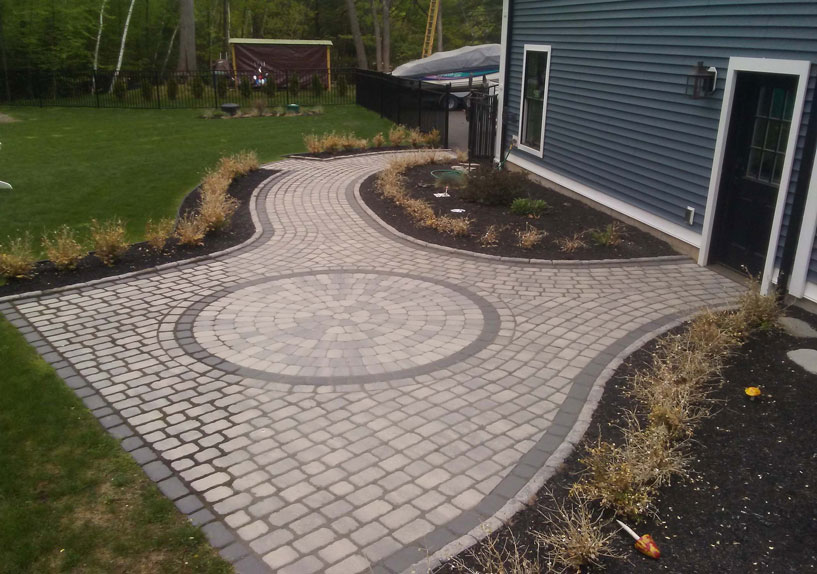
Pay particular attention to paved walkways, stairs, and other commercial hardscapes. These surfaces may require different equipment or clearing methods than those used for an open asphalt parking lot.
If your property is undergoing commercial landscape design or installation, it’s also worth discussing winter maintenance before construction is complete. Planning for snow storage, pedestrian access, and drainage early can help avoid problems after the property is occupied.
The Snow & Ice Management Association (SIMA) recommends documenting site conditions, hazards, and service priorities before the winter season.
A contractor who takes the time to evaluate these details is better positioned to develop a realistic plan for your property.
Make Sure the Company Can Handle a Major Snowstorm
Just because a contractor owns a snowplow doesn’t mean it has the resources to maintain a busy commercial property throughout the winter.
You need a company that can respond when storms last longer than expected, equipment breaks down, or several properties need attention at once.
Look for Relevant Commercial Experience
Ask prospective contractors about their experience with properties similar to yours.
A company that primarily plows residential driveways may not have the equipment or staffing required for a large industrial lot. Likewise, a contractor experienced with open parking areas may be less familiar with the requirements of a busy medical facility.
Request references from comparable commercial clients. Ask how the contractor performed during extended storms, whether communication was reliable, and how unexpected problems were resolved.
You can also review a company’s customer testimonials to get a sense of its general service quality. However, reviews of landscaping work shouldn’t replace references from commercial snow removal clients.
Ask About Equipment, Crews, and Backup Plans
A contractor’s equipment list only tells you part of the story. What matters is whether that equipment is available when your property needs service.
Find out how the company staffs its routes, maintains equipment, and responds to breakdowns. Ask whether employees or subcontractors complete the work and who is responsible for supervising the crews.
Subcontracting isn’t inherently a problem, but you should know who will be servicing your property and how the company maintains accountability.
Route planning matters, too. If a contractor takes on more properties than its crews can reasonably service, even the best equipment won’t prevent delays.
Find Out Who to Contact During a Storm
Imagine arriving at your building at 6 a.m. and finding that a municipal plow has buried your driveway entrance.
Who do you call? Will someone answer? Can a crew return to clear the entrance, and would that visit carry an additional charge?
Ask prospective contractors to explain how they handle urgent requests and communicate with property managers during active storms.
You shouldn’t have to guess who is responsible when something needs attention.
Understand How Snow and Ice Will Be Managed
Commercial snow removal involves more than plowing when snowfall reaches a certain depth. In western Massachusetts and northern Connecticut, winter weather can change from snow to sleet, freezing rain, or rain before temperatures drop again.
Your contractor needs a plan for those changing conditions.
Ask When Crews Arrive and What Gets Cleared First
Many commercial snow removal agreements establish an accumulation threshold that triggers service. For example, crews may begin plowing once two inches have accumulated.
But that doesn’t necessarily tell you when the parking lot will be clear.
Ask whether the contractor services properties during active snowfall, returns throughout prolonged storms, and performs a final cleanup afterward.
You should also establish which areas take priority. Main entrances, accessible routes, loading docks, and emergency access may need attention before less-used parking spaces.
Discuss how service expectations relate to your property’s business hours. A medical office opening early in the morning will have different requirements than a facility operating overnight.
Make Sure Ice Management Has Its Own Plan
Snow depth shouldn’t be the only factor determining when crews respond.
Freezing rain can coat a sidewalk without producing measurable snowfall. Melting snow can also refreeze after a parking lot has already been cleared.
Ask when salt or other de-icing materials are applied, whether preventive treatments are available, and how the contractor handles changing conditions.
Different surfaces and temperatures may require different approaches. A good contractor should be able to explain its treatment strategy and any limitations.
Establish Who Monitors Conditions Between Visits
Here’s a question many property managers overlook: What happens after the snow removal crew leaves?
Suppose your lot is plowed in the morning. Temperatures rise above freezing during the afternoon, water runs off a snow pile, and the entrance becomes icy that evening.
Does the contractor automatically monitor the property and return when necessary? Or is your maintenance team responsible for identifying the problem and requesting service?
Neither arrangement should be assumed. The agreement needs to explain who monitors conditions, who can authorize additional treatment, and how quickly problems should be reported and addressed.
This distinction is particularly important at properties with frequent pedestrian traffic, multiple tenants, or extended operating hours.
Compare Commercial Snow Removal Contracts and Pricing
Once you’ve established that a contractor can handle your property, take a closer look at what you’re actually paying for.
Two proposals may have very different prices because they cover different services, require different response levels, or use different billing arrangements.
Understand Seasonal vs. Per-Push Contracts
Commercial snow removal is commonly priced through seasonal agreements or per-push arrangements.
Seasonal contracts establish service for the winter, often with predictable payments. They can help property managers budget and secure a place on the contractor’s route before storms arrive.
However, some seasonal agreements contain limits on snowfall, the number of events, or certain services. Confirm what happens when those limits are reached.
Per-push contracts charge based on the work performed. They may be less expensive during mild winters, but costs can increase quickly when storms require multiple visits.
Neither arrangement automatically guarantees better service. Compare what each contractor promises, how additional work is billed, and how the pricing model affects your budget.
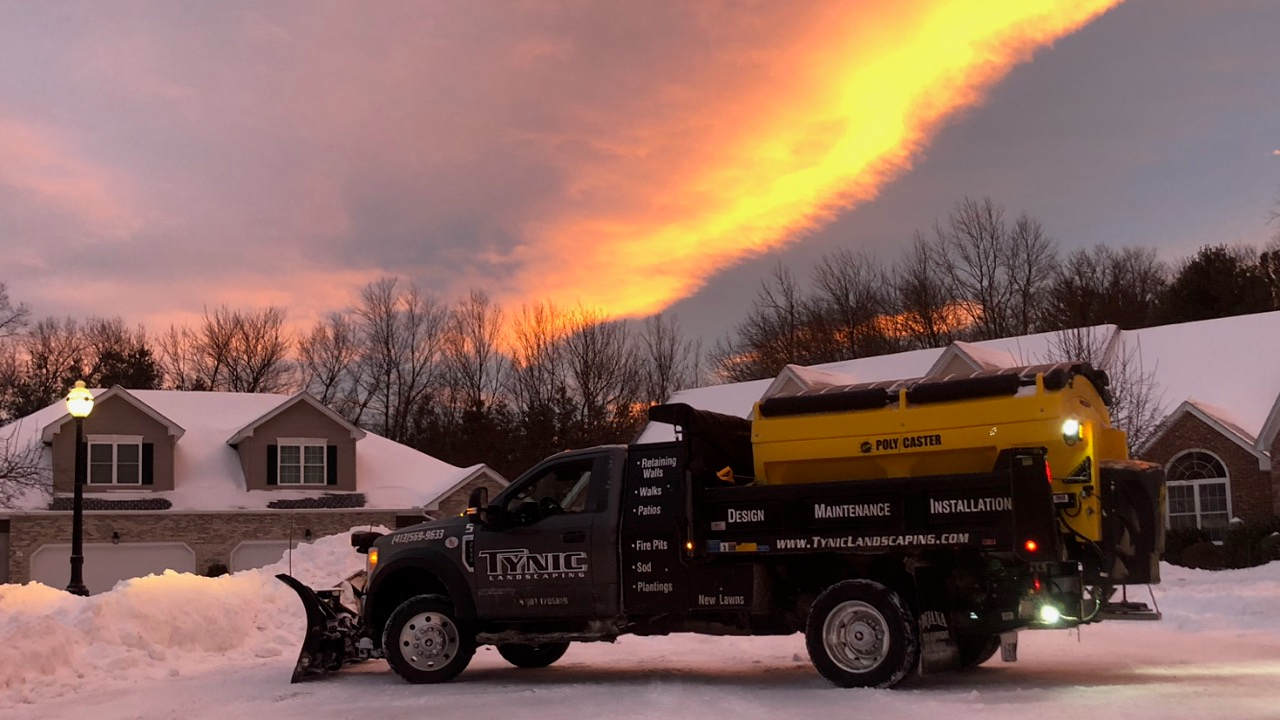
Tynic Landscaping offers seasonal agreements exclusively for its commercial snow removal services. Properties are added to established routes before the season begins, so clients aren’t left searching for available crews after a storm arrives.
Get the Full Scope of Work in Writing
Your contract should identify the surfaces to be maintained, service priorities, snowfall and ice-treatment triggers, and expectations during prolonged storms.
It should also explain how the contractor handles snow piles that become too large, blocked entrances, and conditions that require additional visits.
Pay particular attention to services that might be excluded, such as:
- Additional ice treatments outside scheduled service.
- Snow relocation or hauling off-site.
- Return visits for drifting or municipal plow deposits.
- Repairs to turf, curbs, or landscaping damaged during plowing.
Don’t assume these services are included simply because the proposal describes full-service snow removal.
A marked-up sitemap and a clearly defined scope can prevent disagreements later.
Verify Insurance and Service Documentation
Ask contractors to provide current insurance documentation and have your insurance advisor confirm whether the coverage meets your property’s requirements.
Service records matter, too. Contractors should be able to explain how they document visits, services performed, and materials applied.
If someone reports an icy entrance or a slip-and-fall incident, those records may help establish what work occurred and when.
Massachusetts and Connecticut have different legal considerations that can affect how property owners approach winter maintenance.
Massachusetts: In Papadopoulos v. Target Corp. (2010), the state’s Supreme Judicial Court eliminated the distinction between natural and unnatural accumulations of snow and ice for premises liability. Property owners owe lawful visitors a duty of reasonable care regarding snow and ice hazards. The Massachusetts Trial Court Law Libraries’ guide to snow and ice law explains the decision and links to related legal resources.
Connecticut: Connecticut General Statutes § 21a-433 addresses certain indemnification provisions in snow removal and ice control contracts. Under specified circumstances, the law makes certain clauses void when they transfer liability to a contractor while preventing that contractor from mitigating a particular snow or ice hazard.
For complex properties, commercial leases, or questions about liability, have a qualified attorney review the agreement before signing.
Use These Questions to Compare Snow Removal Companies
When reviewing proposals, ask each contractor the same questions. Their answers should help you distinguish a well-prepared company from one that may struggle when conditions get difficult.
| What to Ask | What a Good Answer Includes | What Should Concern You |
|---|---|---|
| Have you serviced properties like mine? | Relevant commercial experience and references | Little comparable experience or no references |
| What happens if equipment breaks down? | A specific plan for backup equipment or alternate crews | No clear contingency plan |
| How will my property fit into your routes? | A realistic explanation of staffing, priorities, and service expectations | Vague promises of immediate service |
| Who monitors ice between visits? | Clearly assigned monitoring and treatment responsibilities | No defined responsibility for refreezing |
| What happens during a prolonged storm? | An explanation of repeat visits, priority areas, and final cleanup | No plan beyond the initial plowing |
| How is completed work documented? | Records identifying when crews visited and what services they performed | No documentation process |
| What costs aren’t included? | Clear terms for additional salting, snow hauling, and other services | Unexplained exclusions or ambiguous charges |
A lower quote isn’t necessarily a better deal if another contractor includes services you’ll eventually need.
For a fair comparison, give each company the same site information and service requirements. That makes it easier to determine whether price differences reflect differences in service.
Be particularly cautious of contractors who won’t visit the property, can’t explain their backup procedures, or offer broad service promises without written details.
When Should You Hire a Commercial Snow Removal Company?
The best time to hire a commercial snow removal contractor is well before winter begins.
In its 2025 procurement standard, SIMA recommends that organizations begin the formal request-for-proposal process by May and aim to award contracts by September 1.
That timeline gives property managers and contractors time to inspect sites, address potential hazards, plan routes, and agree on service expectations.
Smaller properties may not require such a lengthy procurement process, but contacting contractors in summer or early fall generally offers more flexibility.
By the time the first major storm approaches, many established companies have already committed their equipment and crews to seasonal accounts.
If you’re searching later in the season, ask about remaining capacity rather than assuming a contractor can add your property to an existing route.
Plan for Winter With Tynic Landscaping
Tynic Landscaping has served commercial properties across western Massachusetts and northern Connecticut since 2007. Based in Southwick, MA, we work with businesses and property managers throughout the region, including communities such as Chicopee, MA, and Granby, CT.
Our seasonal snow removal services include parking lot plowing, sidewalk clearing, loading dock access, and ice management, with the exact scope established for each property.
We use our own crews and commercial equipment rather than subcontracting snow removal routes, and we maintain service records that clients can request. You can learn more about Tynic’s company and team, including founder Scott Lamon and our approach to serving properties throughout the region.
Before preparing your proposal, a member of our team will walk your property with you to discuss its needs.
Call 413-569-9633 or contact Tynic Landscaping to request a complimentary on-site estimate for your commercial property.
Frequently Asked Questions
How many commercial snow removal quotes should I get?
If possible, compare proposals from two or three qualified contractors. Give each company the same property information and service expectations so you’re comparing similar scopes of work. Look beyond the total price to understand what each contractor includes and excludes.
What should I ask a snow removal company’s references?
Ask whether crews arrived as expected, how the contractor performed during prolonged storms, and whether communication was reliable. Find out how the company handled additional requests, unexpected conditions, or service-related disagreements. References from properties similar to yours will be most useful.
How can I tell if a snow removal company has enough equipment?
Ask what equipment the contractor plans to use at your property, how crews are assigned to routes, and what happens when equipment is unavailable. A large fleet doesn’t automatically mean better service if the company has more contracted properties than it can reasonably maintain.
What should I do if my snow removal contractor misses a scheduled visit?
Follow the communication and escalation procedures established in your contract. Document the conditions, contact the designated representative, and explain which areas need attention. If access or safety is affected, follow your property’s contingency procedures while reviewing what the agreement requires. Repeated service problems should be addressed before the next storm.